









Aurora Innovation Launches First Driverless Trucking Service on U.S. Public Road
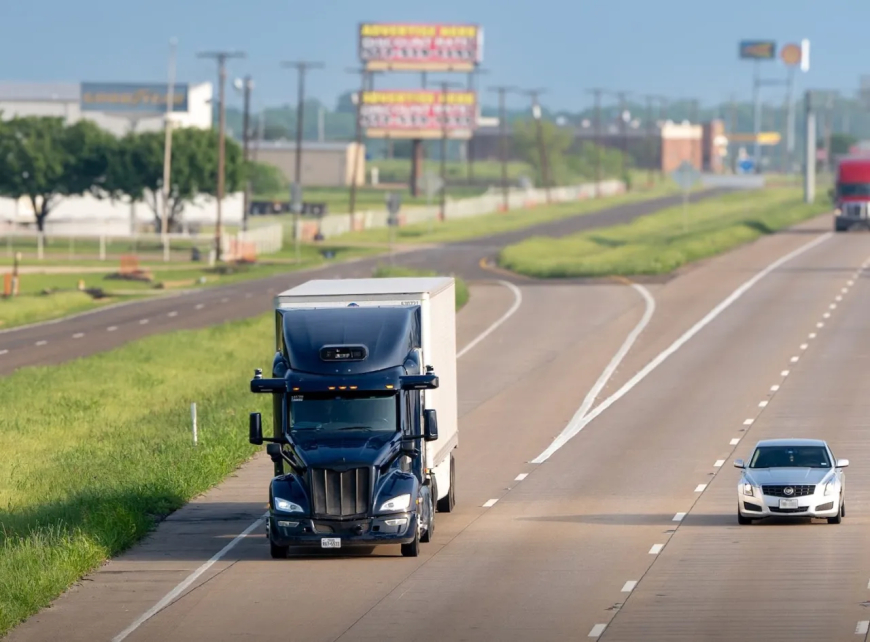
Texas, USA — Autonomous vehicle startup Aurora Innovation has made a historic leap in the transportation industry, officially launching a fully driverless self-driving truck service on public roads in Texas. This marks the first commercial deployment of heavy-duty autonomous trucks in the United States.
The milestone arrives right on Aurora’s revised schedule, after the company postponed its original 2024 rollout to April 2025. Now live, Aurora’s driverless freight service is currently operating between Dallas and Houston, in partnership with Hirschbach Motor Lines and Uber Freight. The company reports that one of its autonomous trucks has already completed 1,200 miles without a human driver onboard.
According to Aurora, this is just the beginning. The startup aims to scale its operations to include “tens of self-driving trucks” and expand routes to El Paso and Phoenix by the end of 2025. In the meantime, the company will continue transporting over 100 loads of commercial freight weekly using a fleet of more than 30 supervised autonomous trucks—vehicles that still have a human safety operator onboard.
In an ambitious shift toward vertical integration, Aurora plans to own, insure, and maintain its self-driving trucks during the early stages of deployment. Strategic collaborations with Volvo Trucks and Paccar are underway to bring high-volume, autonomous-ready trucks to market. By 2027—or possibly sooner—Aurora expects customers to purchase driverless trucks directly from manufacturers.
The successful rollout occurs during a complex period for the freight and logistics industry. Although labor shortages and the long-haul trucking gap have made autonomous solutions attractive, Trump-era tariffs and a recent decline in freight volumes are reshaping near-term forecasts. A report from ACT Research in April suggested a decrease in U.S. freight activity for 2025 due to falling consumer spending.
Despite these challenges, Aurora remains optimistic. A company spokesperson emphasized that the trucking industry is still grappling with high operating costs and underutilized assets, making automation increasingly appealing.
Next week, Aurora is expected to share its Q1 financial results, along with insights into how trade tensions and tariffs are influencing its business strategy.
The launch also brings regulatory scrutiny. Earlier this year, Aurora filed a lawsuit against federal safety regulators, after being denied an exemption from a requirement mandating the placement of warning triangles on the roadside if a truck breaks down—something inherently difficult for an unmanned vehicle. While the company hasn't clarified how it remains compliant without placing a driver or a chase vehicle behind its trucks, a spokesperson confirmed Aurora is not using escort vehicles or police assistance during operations.
CEO Chris Urmson praised the performance of the Aurora Driver during his inaugural trip, stating the system “performed perfectly” with no need for human intervention. Tech outlets are still awaiting confirmation on whether any remote assistance or pullover maneuvers have been necessary.
For now, Aurora is expected to focus on strengthening its safety record, building legislative partnerships, and navigating the policy environment to support broader deployment.
Stay tuned to Agookya for continued coverage of this groundbreaking development in autonomous transportation.