





The Irony of Violence in NRM’s Primaries: Can the Ruling Party Lead by Example?
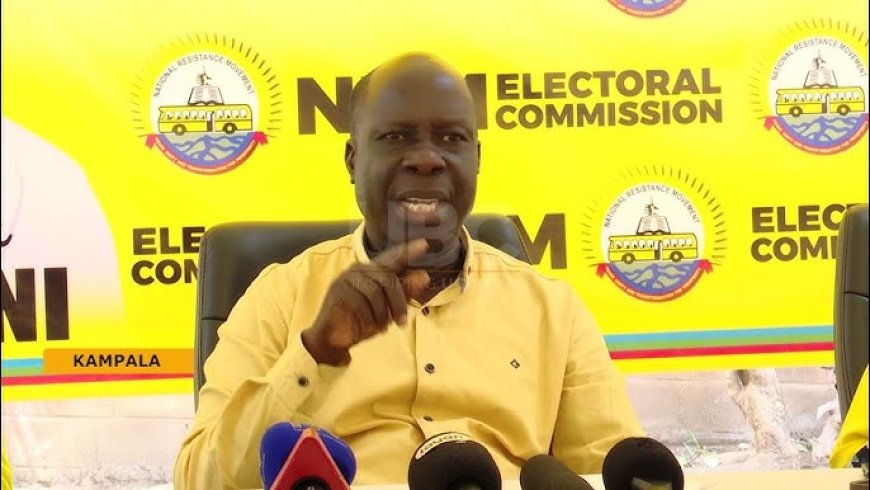
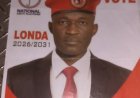
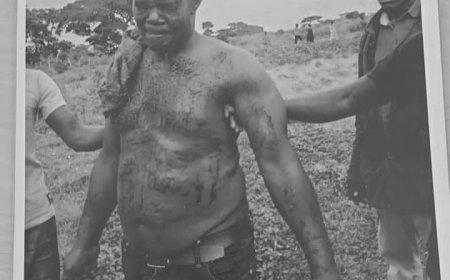
Once again, the National Resistance Movement (NRM) primaries have turned into a battlefield — not of ideas, but of fists, teargas, and malicious plots. From vote rigging claims to violent scuffles and public accusations of sabotage, Uganda has watched as the ruling party’s internal elections unfolded more like a thriller than a democratic exercise.
And therein lies the irony: how can the party that leads the country fail to lead by example?
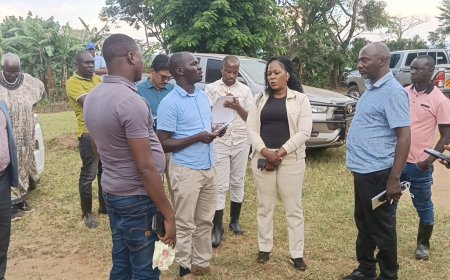
The NRM is not in opposition. It holds power, commands resources, and sets the tone for national governance. One would expect that such a party, with over three decades of experience, would prioritize order, discipline, and transparency in its internal affairs. Instead, what we see is a circus of chaos — candidates accusing each other of betrayal, some supporters injured, and others disenfranchised. In some areas, results are contested even before counting begins.
This is not just about party politics. It’s about the message it sends to the rest of the country. If the NRM cannot peacefully manage its electoral processes, what hope do Ugandans have in the national election cycle? Is violence now becoming a normalized tool for political contestation, even within the corridors of power?
Some will argue that the party is large, and such challenges are inevitable. However, that reasoning overlooks the duty of leadership. The NRM, more than any other party, should embody democratic maturity. Instead, these primaries expose a house divided — hungry for power, willing to shed blood for it, and lacking mechanisms to resolve internal disputes peacefully.
This is a wake-up call not just for the NRM, but for all Ugandans. We must ask difficult questions. Should violence be the currency of political ambition? Can we trust leaders who thrive in disarray to deliver peace, development, and justice to the rest of the country?
The time has come for serious introspection. The ruling party cannot afford to be the symbol of political instability. Uganda deserves better — and it must begin from the top.