





Ex-CAR Football Boss Sentenced for Horrific War Crimes
Following a nearly four-year trial featuring over 170 witnesses and nearly 20,000 pieces of evidence, Ngaïssona was sentenced to 12 years in prison, while Yekatom received 15 years.
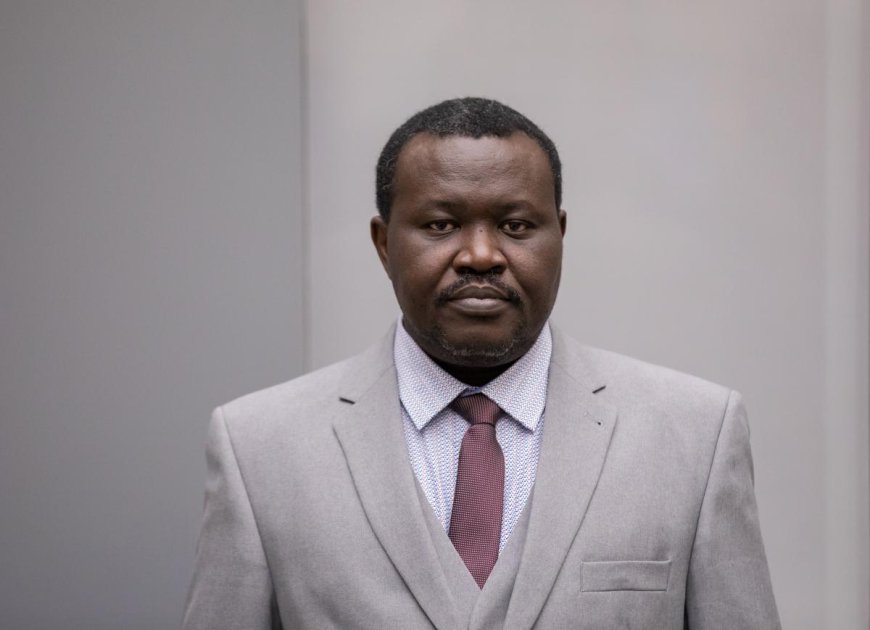
The International Criminal Court (ICC) has convicted Patrice-Edouard Ngaïssona, former head of the Central African Republic’s football federation, of 28 counts of war crimes and crimes against humanity. His co-defendant, Alfred Yekatom, was found guilty of 20 charges related to coordinated attacks against the country’s Muslim population during the 2013-2014 conflict.
Following a nearly four-year trial featuring over 170 witnesses and nearly 20,000 pieces of evidence, Ngaïssona was sentenced to 12 years in prison, while Yekatom received 15 years.
The violence erupted when the predominantly Muslim Séléka rebel group seized power in 2013, overthrowing then-President François Bozizé in the majority Christian nation. In response, mainly Christian militias known as the anti-Balaka fought back, sparking brutal sectarian clashes.
Ngaïssona, who served briefly as CAR’s sports minister and was elected to the Confederation of African Football’s executive committee in 2018, was accused of funding and directing anti-Balaka militias. Yekatom, nicknamed “Rambo”, commanded fighters who perpetrated atrocities, including murder, torture, and persecution of Muslims.
The ICC prosecutors detailed how both men orchestrated attacks in Bangui on 5 December 2013, ordering widespread violence against Muslim civilians, including throat-slitting, ear-cutting, and burying victims alive. At the trial’s outset, both men denied all charges.
The conflict led to the deaths of at least 1,000 people in Bangui alone during December 2013, with half the city’s population fleeing.
Ngaïssona’s 2015 bid for presidency was blocked due to his alleged role in the violence. French authorities arrested him in 2018 before transferring him to The Hague.
Yekatom, an elected MP since 2016 despite UN sanctions, was arrested in 2018 after a parliamentary incident. His extradition marked the first from CAR to the ICC.
Human rights groups hailed the convictions as a sign of commitment to justice and fighting impunity in the war-torn country.