







KCCA Rolls Out Road Construction Plan to Transform Kampala’s Infrastructure


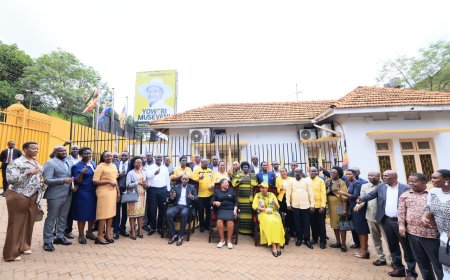
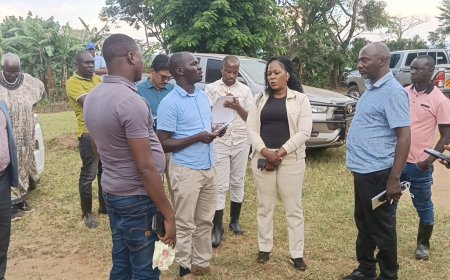
The Kampala Capital City Authority (KCCA) has launched the construction of Kabaka’s Lake Road in Lubaga Division as part of a wider infrastructure project to improve road networks across the Ugandan capital.
The initiative, which was commissioned on Friday, is among 24 roads earmarked for construction under a funding arrangement provided by the Government of Uganda.
KCCA’s Executive Director, Hajat Sharifah Buzeki, said the Ministry of Finance has allocated 550 billion Ugandan shillings (approximately £117 million) to support road works in Kampala over three years. The project will cover 87 kilometres of road, with the first phase targeting 14.6 kilometres.
Roads to Be Constructed
The roads to be constructed include:
-
Kabaka’s Lake Road
-
Button Street
-
Wilson Road and Wilson Street
-
Market Street
-
Mengo–Kisenyi Link
-
Elisa Nkoyoyo Road
-
Kisenyi Lane
-
Market Square and Market Service Lane
-
Dusta Street
-
Church Road
-
Naava Road
-
Church Lane II
-
St. Steven Hospital Ring Road
-
Nkula Road
-
Mapeera Road
-
Kalin’abiri Road
-
St. Barnabas Road
The construction contract has been awarded to Dott Services, a local firm expected to complete the works within 18 months.
Criticism Over Contractor’s Record
However, the appointment of Dott Services has sparked criticism from Kampala Lord Mayor Erias Lukwago, who pointed to the company’s history of poor-quality roadworks.
He referenced KCCA’s blacklisting of Dott Services in 2015 over alleged shoddy work in the Nakasero and Kawempe areas.
Mr Lukwago urged the city authority to channel part of the funding toward long-delayed drainage works, particularly the Nalukolongo drainage channel, which he said remains a priority for flood management in the city.
KCCA has previously developed a drainage master plan to address Kampala’s recurrent flooding, but implementation has reportedly stalled.
Call to Protect Kabaka’s Lake
The development has been welcomed by Buganda Kingdom officials and local stakeholders, who say the improved infrastructure will benefit the area around Kabaka’s Lake, a historic water body in Lubaga.
Israel Kasirye Kitooke, spokesperson for the Buganda Kingdom, said the roads will support efforts to develop the lake into a tourist attraction. However, the poor state of the surrounding roads has hindered progress.
Pastor Robert Kayanja, a member of the lake’s development committee, unveiled a proposal to rehabilitate the 60-hectare lake and its environs. He said the road project will help curb pollution and environmental degradation.
Pastor Kayanja also called on KCCA to tighten enforcement of sanitation regulations, particularly regarding waste disposal. He warned that many residents still direct waste into the lake during rainfall, leading to pollution and unpleasant odours.
He further appealed for KCCA’s approval of the Kingdom’s lake development plan, which would be implemented after the road works are completed.
Historical Significance
Kabaka’s Lake, one of Uganda’s largest man-made lakes, was constructed between 1885 and 1888 during the reign of King Mwanga II of Buganda. It was originally designed as a strategic escape route for the king in times of conflict and remains a significant cultural and historical site in Uganda.