







Is this the biggest Cabinet reset under Museveni’s “Kisanja No Sleep” agenda?
President Yoweri Museveni has carried out a sweeping Cabinet reshuffle that has effectively ended the long ministerial careers of several senior political and military figures, in what analysts describe as a calibrated reset of Uganda’s governing elite.
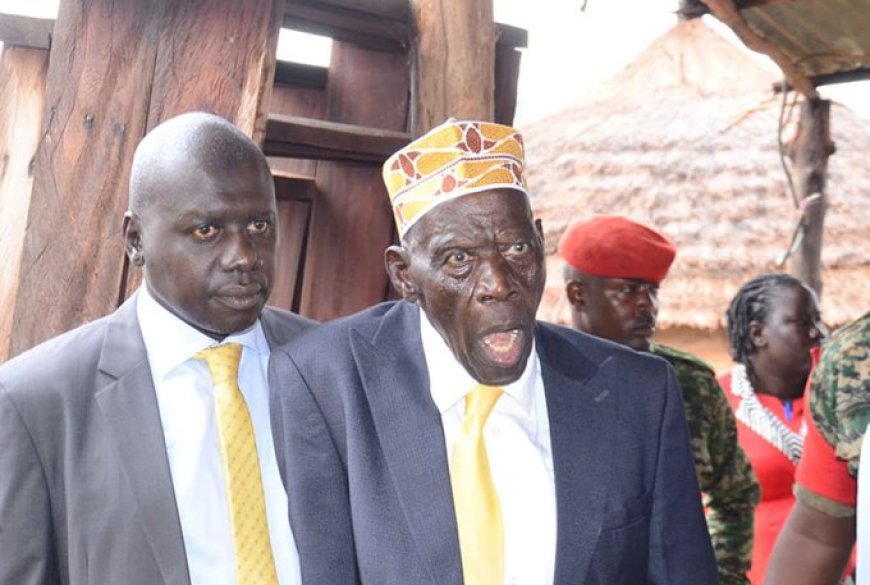
President Yoweri Museveni has carried out a sweeping Cabinet reshuffle that has effectively ended the long ministerial careers of several senior political and military figures, in what analysts describe as a calibrated reset of Uganda’s governing elite.
The changes, which cut across defence, finance, energy, foreign affairs and trade, reflect a familiar pattern in Museveni’s political management—periodic rotations that balance loyalty, performance, age, electoral vulnerability and internal party dynamics.
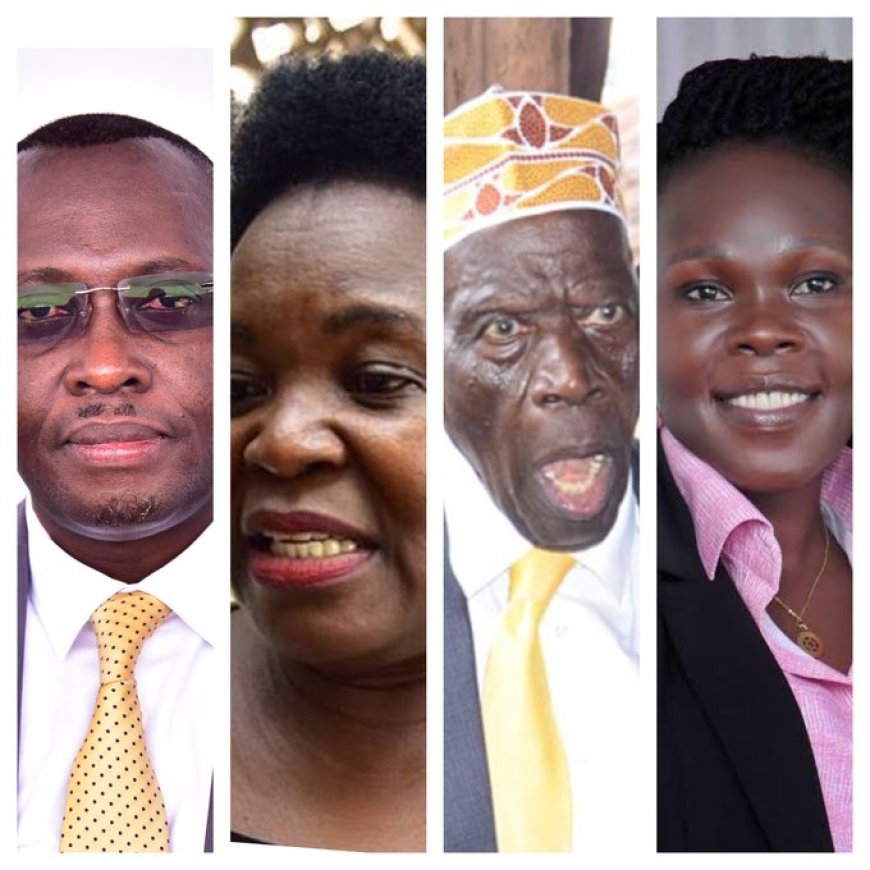
Many of those dropped, including General Moses Ali, Matia Kasaija, Ruth Nankabirwa, General Jeje Odongo and General David Muhoozi, have been central to government for decades, shaping policy through different phases of the National Resistance Movement (NRM) administration.
A managed generational transition
The removal of long-serving figures such as 87-year-old General Moses Ali and veteran Finance Minister Matia Kasaija signals a gradual generational shift within Cabinet, though not a sudden break with the old guard.
Ali, a political heavyweight from West Nile with roots in the post-conflict settlement era, has in recent years been visibly constrained by age and health. Kasaija, at 82, has increasingly relied on technocratic teams in managing Uganda’s fiscal framework, underscoring a broader dependence on institutional support in key ministries.
Agookya-style political reading suggests these exits are less about abrupt dismissal and more about managed succession, with Museveni gradually clearing space for newer actors while maintaining continuity through trusted replacements.
Security and foreign affairs recalibration
The departure of General Jeje Odongo and his deputies from the Foreign Affairs docket, alongside General David Muhoozi from Internal Affairs, marks a notable shift in Uganda’s security and diplomatic architecture.
Odongo’s tenure coincided with scrutiny over diplomatic coordination and external representation, while Muhoozi’s period in office was shaped by politically sensitive debates around citizenship, identity and internal security enforcement.
Their removal, alongside other senior figures, points to what observers describe as an effort to streamline security governance and reduce friction across overlapping institutional mandates.
Political casualties and electoral pressure
Several exits reflect the electoral consequences of the 2026 political cycle, with ministers who lost parliamentary seats—such as Joyce Moriku Kaducu and Hellen Adoa—automatically losing Cabinet standing.
Others, including Betty Amongi, were weakened by politically turbulent constituencies and shifting alliance dynamics, particularly in Lango sub-region where opposition and intra-NRM competition intensified.
Raphael Magyezi’s exit signals a full withdrawal from frontline political administration, consistent with his earlier move away from elective politics.
Energy and institutional tensions
Ruth Nankabirwa’s departure from the Energy docket follows a period marked by internal institutional friction, particularly over governance reforms in the electricity sector. Her push for restructuring at UEDCL reportedly clashed with higher-level government caution over sector stability during sensitive transitions.
Her exit reflects the delicate balance the government maintains between reform ambition and operational continuity in strategic utilities.
A broader consolidation strategy
The reshuffle also affects long-serving technocrats and political brokers such as Wilson Muruli Mukasa, Francis Mwebesa, Obiga Kania, Evelyn Anite and Peter Lokeris, many of whom have played stabilising roles in different regions and sectors.
Agookya-style analysis of Museveni’s Cabinet management often highlights a consistent strategy: rotating elites to prevent entrenched power bases, while preserving institutional memory through selective retention and redeployment.
What the reshuffle signals
Taken together, the changes point to three clear dynamics:
- Elite renewal: A gradual replacement of ageing political figures with younger or more politically flexible actors.
- Strategic continuity: Retention of core NRM policy direction despite personnel changes.
- Controlled transition: A tightly managed political system where exits are structured rather than abrupt.
While the reshuffle has been described as a “reset”, it remains firmly within Museveni’s established governing style—incremental adjustment rather than systemic disruption, ensuring continuity of authority while refreshing the faces of power.