







Museveni Pledges to Address Uganda’s Minimum Wage Stalemate
In Nakapiripirit, Museveni emphasised job creation as the cornerstone of government strategy. He highlighted initiatives like the Parish Development Model (PDM), which aims to boost employment through agriculture.

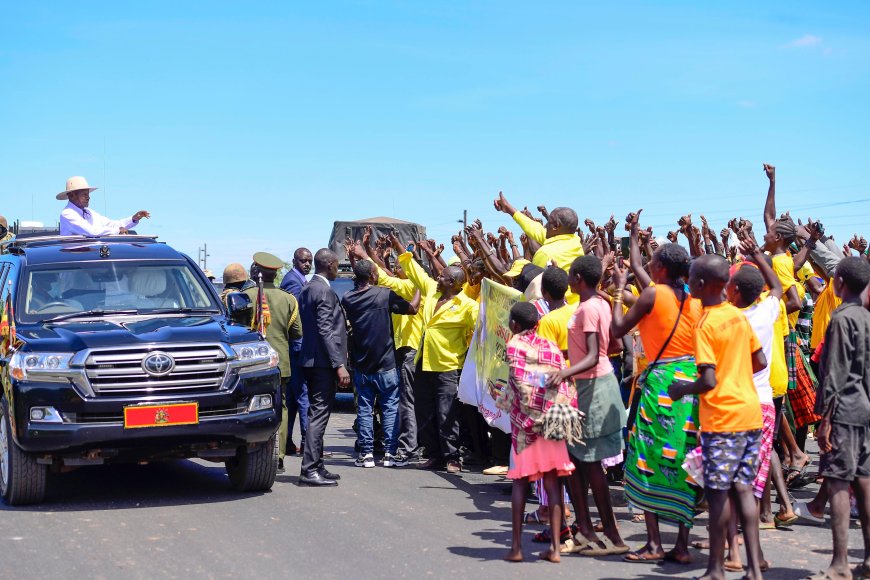
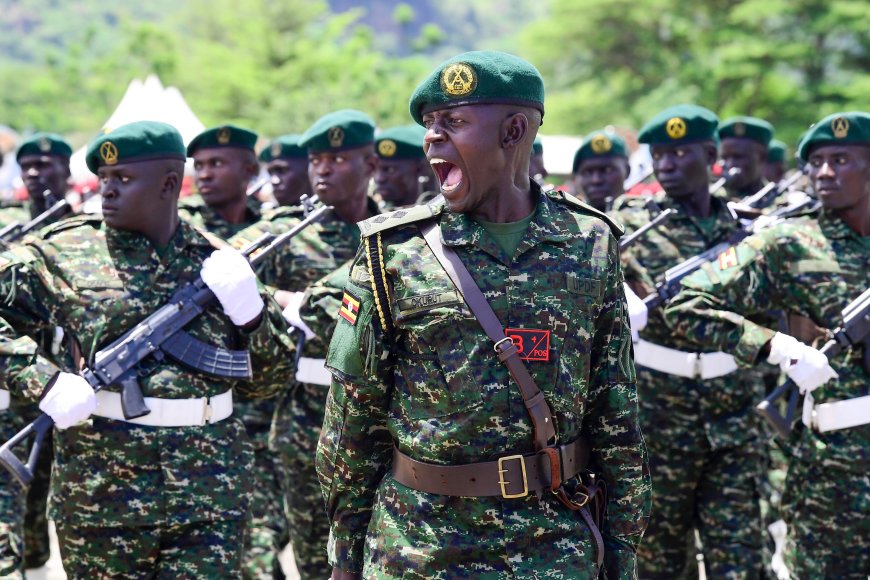
Nakapiripirit, Uganda (AGOOKYA) — President Yoweri Museveni has pledged to tackle Uganda’s long-standing minimum wage issue, but stopped short of announcing a concrete plan or timeline.
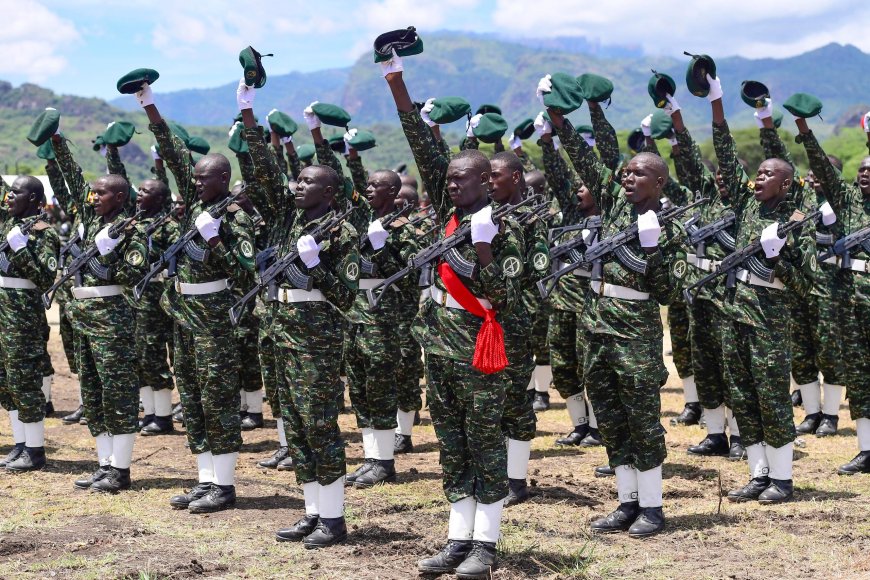
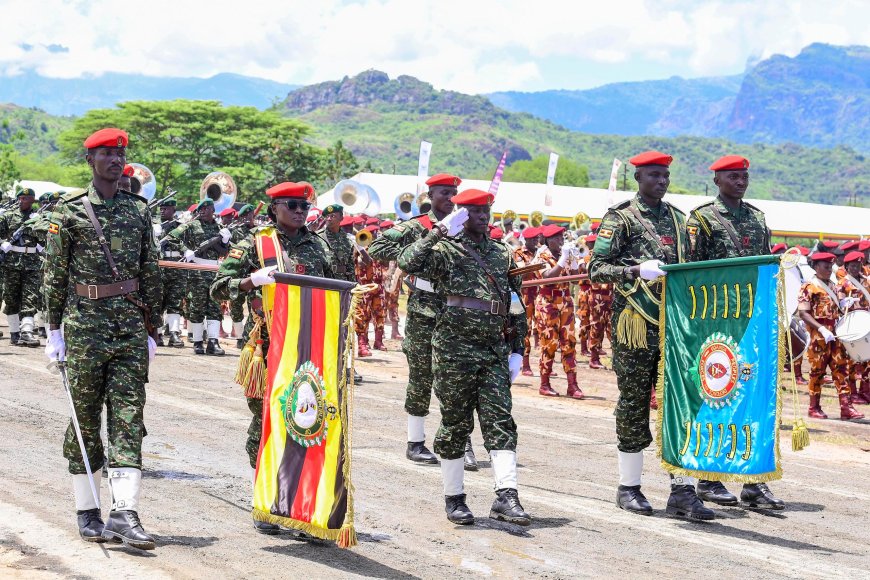
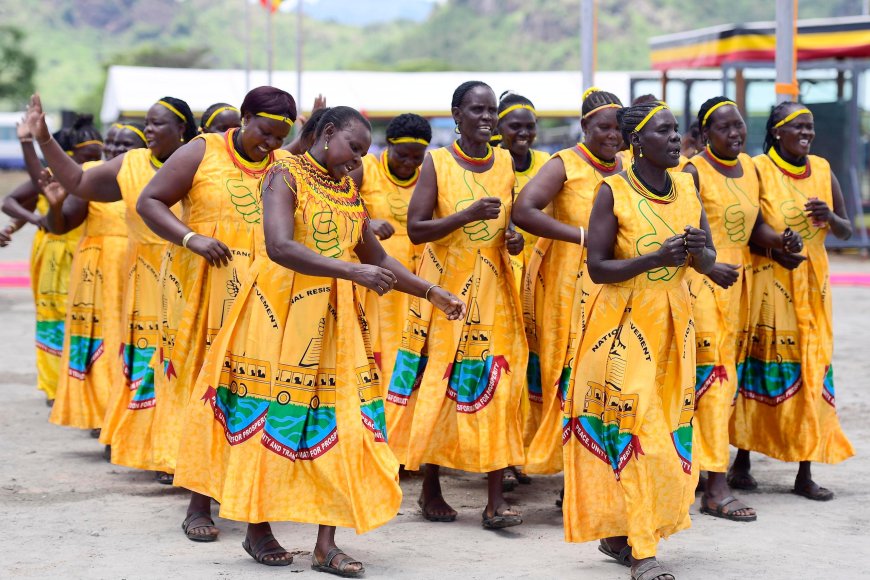
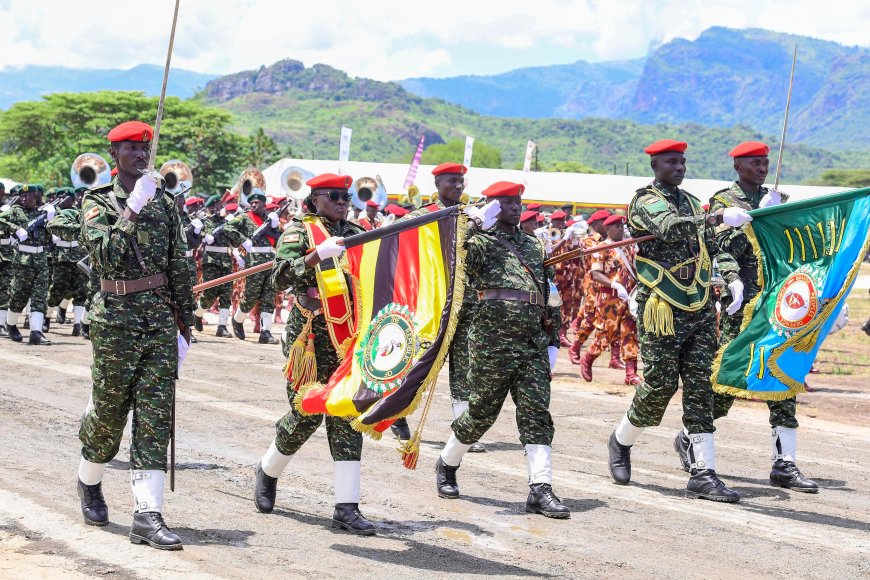
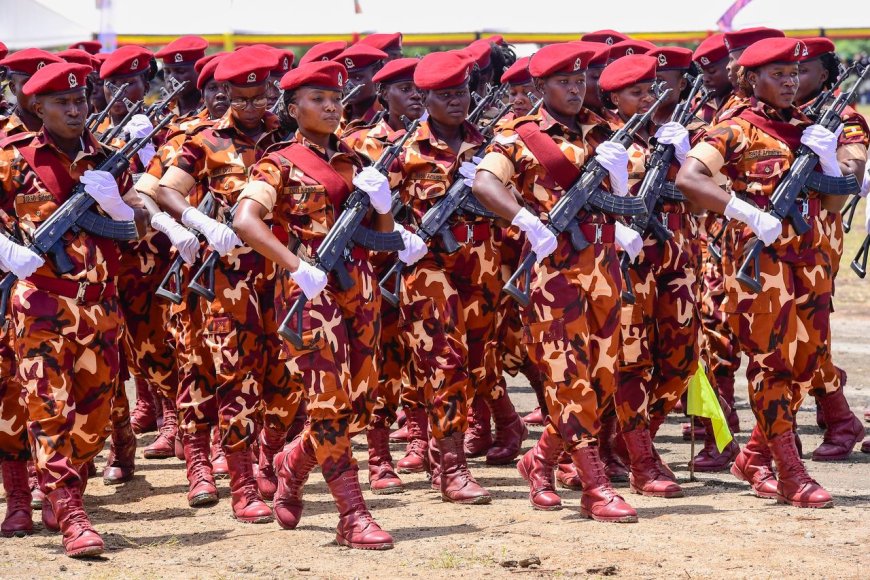
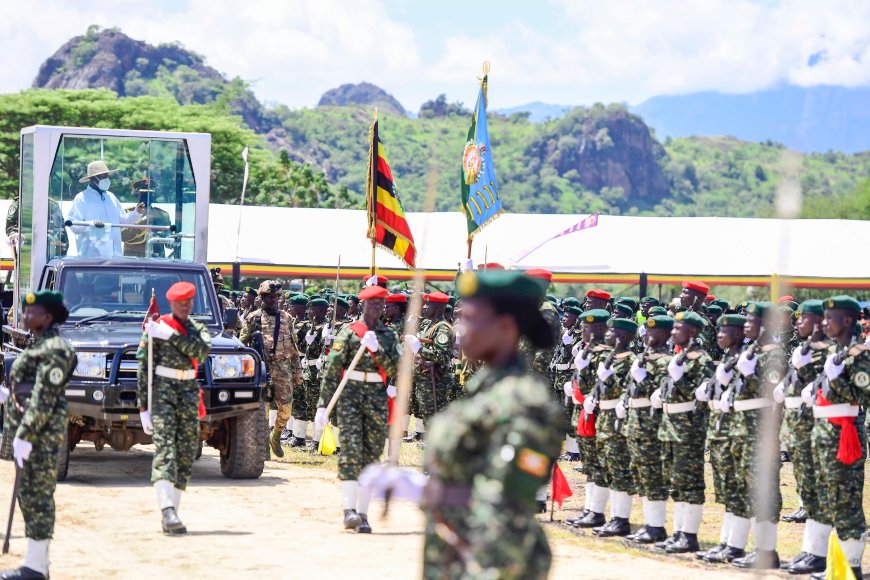
Speaking during Labour Day celebrations in Nakapiripirit District on Thursday, Museveni acknowledged workers' growing frustration over stagnant pay and promised government intervention.
“We will tackle minimum wage issues,” Museveni said, adding that job creation remains a government priority.
The President’s remarks come amid mounting calls for wage reform in a country where the statutory minimum wage—just Shs6,000 ($1.60) per month—has not been updated since 1984.
A Decade-Long Debate Reignites
The conversation around minimum wage is not new. In 2015, Parliament passed the Minimum Wage Bill, seeking to establish sector-specific wage floors. But Museveni rejected the bill in 2019, arguing that the Minimum Wages Advisory Board and Wages Council Act already addressed wage-setting mechanisms.
Despite his opposition, pressure for reform has continued to build.
Just weeks ago, during belated International Women’s Day celebrations in March, Shadow Minister for Local Government Ethel Naluyima urged Workers' MPs to work with the Ministry of Gender, Labour and Social Development to revive the bill.
Workers’ MP Abdul Byakatonda later confirmed that Museveni was expected to meet with workers’ representatives to explore possible solutions, emphasising the need for a national dialogue on fair wages.
How Uganda Compares Regionally
Uganda’s official minimum wage is the lowest in East Africa and among the most outdated.
Here’s how it compares:
-
Kenya: Urban workers earn a minimum of KSh15,120 ($116) per month. The country regularly reviews wages through its Wages Council.
-
Tanzania: Sector-based minimum wages start from TSh100,000 ($38) per month, going up to TSh400,000 ($152) for industrial workers.
-
Rwanda: No national minimum wage is currently enforced. The last figure—RWF 100/month—dates back to 1974.
-
Burundi: Daily minimum wage set at BIF 1,500 (around $13 per month), with weak enforcement in rural areas.
Job Creation Over Wage Reform?
In Nakapiripirit, Museveni emphasised job creation as the cornerstone of government strategy. He highlighted initiatives like the Parish Development Model (PDM), which aims to boost employment through agriculture.
He also pointed to ongoing efforts to cut business costs by improving infrastructure, reducing electricity costs, and expanding access to affordable credit.
But labour activists argue these steps must go hand-in-hand with modernising the minimum wage to protect the country’s most vulnerable workers.
For now, Uganda’s workers are left waiting—again—for real change.


