





Trump’s First 100 Days Deepen Mideast Turmoil, Says Lebanese Analyst
A Lebanese analyst, Waref Kumayha, has criticized the Trump administration’s first 100 days, saying its Middle East policy increased instability and destruction across the region.
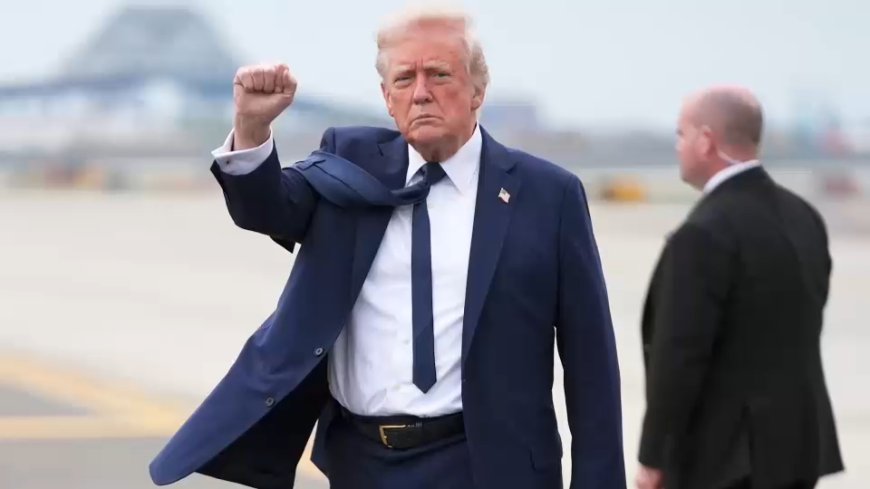
The Trump administration’s early foreign policy decisions have intensified instability in the Middle East, a Lebanese expert has said, warning of growing destruction and diplomatic erosion in the region.
Waref Kumayha, president of the Silk Road Institute for Studies and Research in Lebanon, told reporters the administration’s approach to the region was marked by “short-term calculations, transactional diplomacy, and disregard for international norms.”
He pointed to Washington’s increased backing of Israel, including support for settlement expansions, the relocation of the U.S. embassy to Jerusalem, and efforts to defund UN agencies serving Palestinian refugees. These steps, he argued, emboldened Israeli military action, particularly in Gaza, worsening the humanitarian situation.
Kumayha also cited the escalation in Lebanon, where Israeli airstrikes extended from border areas to Beirut. “The U.S. chose to hold Lebanese resistance groups responsible, while offering Israel political cover under the justification of self-defense,” he said, noting that over a million Lebanese were displaced.
Turning to Gulf states, Kumayha claimed that Washington used economic ties as leverage rather than fostering genuine cooperation. “Gulf investments were driven more by political pressure than mutual interest,” he said.
On Iran, the expert criticized the U.S. decision to exit the 2015 nuclear deal and reimpose sanctions. He said the “maximum pressure” policy had inflamed tensions and risked dragging the region into broader conflict.
He also pointed to the deepening crisis in Yemen and its impact on Red Sea security. Kumayha concluded that the region needs “policies based on justice and dignity,” rather than promises of investment without accountability.