







Mawokota South MP Nsibambi Concedes Museveni Victory, Cites Opposition Weakness and Voter Apathy
Outgoing Mawokota South MP Yusuf Nsibambi has accepted President Museveni’s January 15 election victory, saying no opposition candidate had a realistic chance of winning. He blamed opposition weakness, voter apathy, and vote-buying, claiming some voters were bribed with as little as Shs20,000.

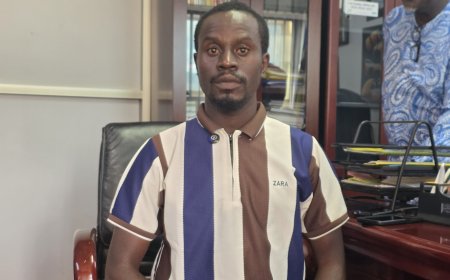
Outgoing Mawokota South Member of Parliament Yusuf Nsibambi of the Forum for Democratic Change (FDC) has acknowledged President Yoweri Kaguta Museveni’s victory in the January 15 general elections, arguing that no opposition candidate stood a realistic chance of winning the presidency.
Speaking candidly after the declaration of final results, Nsibambi said the outcome of the election reflected a combination of opposition weaknesses, voter fatigue, and widespread inducements during the campaign period.
“Museveni won. Many voters lost hope, others were bribed with as little as Shs20,000,” Nsibambi said, in remarks that underline growing frustration within sections of the opposition following the polls.
Nsibambi noted that the opposition entered the election cycle fragmented and unable to mount a unified challenge against the long-ruling National Resistance Movement (NRM). According to him, internal divisions, limited resources, and lack of a clear joint strategy significantly reduced the chances of unseating President Museveni.
He further argued that prolonged political dominance by the NRM has contributed to voter apathy, with many citizens no longer believing that elections can bring about meaningful political change. This, he said, created fertile ground for vote-buying and weakened resistance at the grassroots.
The former legislator also pointed to the impact of financial inducements, saying small sums of money were enough to sway desperate voters struggling with economic hardships.
“When people are hungry and hopeless, even a small amount of money becomes powerful,” Nsibambi said, adding that this reality continues to undermine democratic competition.
President Museveni was declared winner of the presidential election with a decisive majority, extending his long tenure in office. Several opposition candidates have disputed aspects of the electoral process, citing irregularities, intimidation, and misuse of state resources, though the Electoral Commission has maintained that the elections were free and fair.
Nsibambi’s remarks have sparked debate within opposition circles, with some viewing his comments as a frank assessment of political realities, while others see them as an early sign of internal soul-searching and possible realignment ahead of future elections.
As Uganda moves into a new political term, analysts say the opposition faces difficult questions about strategy, unity, and relevance if it hopes to regain public confidence and mount a credible challenge in the years ahead.


